Nanomaterials Engineered for Industry

Silhouette of a hand holding a small glass jar with a blue lid, partially filled with a dark substance, against a plain background.

Specification by Design

Industrial manufacturers need materials that perform better while improving profitability and sustainability metrics. Our vertically integrated approach combines formulation and manufacturing, using our patented exfoliation technology to produce specification-controlled nanomaterials with the consistency, cost and scale industry requires.

Where nanomaterials have traditionally remained at lab scale, ours are engineered from day one for industrial production and real-world manufacturing.
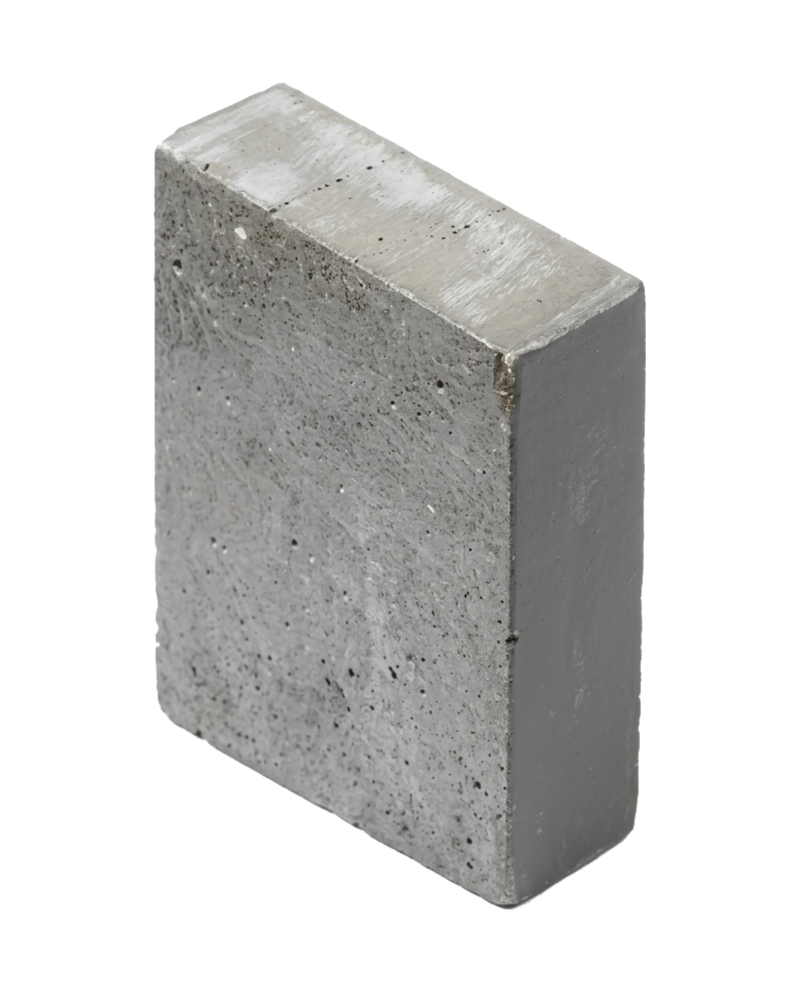

A gray concrete block with a rough surface.

Product 01

Stronger Concrete. Higher Returns

Our first product is a water-based graphene additive that integrates directly into standard concrete production: no new equipment and no new process. With 35 grams of our nanomaterial per 2.3 tonnes of concrete, we can deliver a measurable step change in performance.

Increase strength by up to 35%

An arrow pointing diagonally upwards

Reduce cement by 15-25%

An arrow pointing diagonally downwards

Lower CO2 emissions by 12-25%

An arrow pointing upwards
A large industrial warehouse with a high ceiling and skylights. Overlay of white wireframe drawings of industrial equipment, including tanks, pipelines, and a forklift on the concrete floor.

Built to Scale

Construction is underway on our first industrial-scale production facility at Grapht Works, London. Scheduled for completion by the end of 2027, the facility will have the capacity to produce more than 1,500 tonnes of nanomaterials per year, enough for over 1 million tonnes of concrete.

The properties that make our nanomaterials valuable in concrete extend across energy, biomedical applications and beyond. We’re already working with 70+ industrial partners to bring advanced nanomaterials into new products and applications.


Construction

concrete being poured
Rows of energy storage facilities

Energy
Storage

A scientist wearing blue gloves and a white lab coat is holding a test tube with a pink liquid inside in a laboratory.

Biomedical

A person wearing protective gear spraycoating an external facade

Coatings

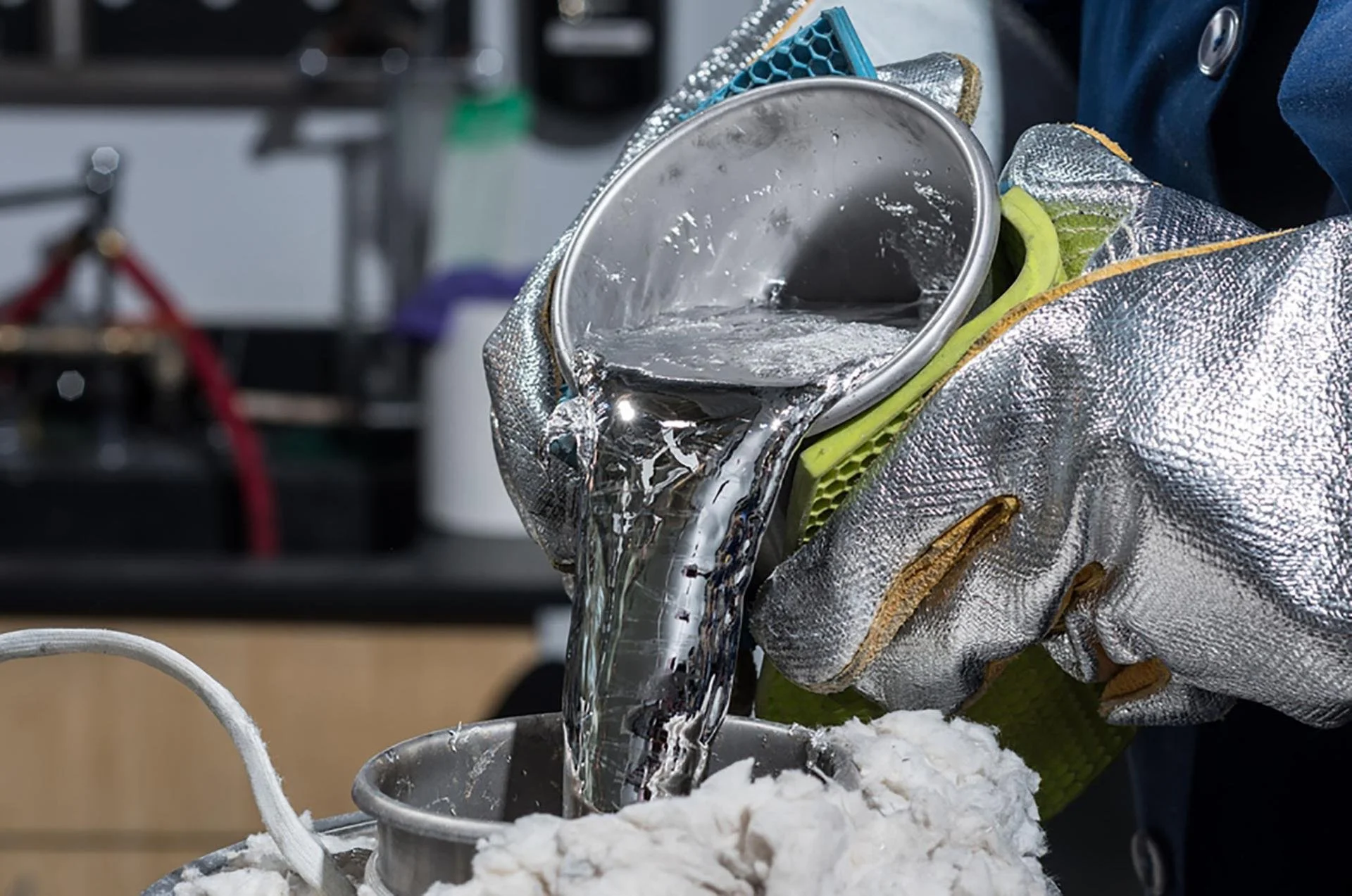
A person wearing a silver heat-resistant glove pouring a metallic liquid

Thermal
Fluids

Improved heat transfer and efficiency with existing systems

Higher-capacity electrode technologies for energy storage and data centers

Improved performance, lower embodied carbon and higher profitability

Graphene barrier coatings that extend asset life and reduce lifetime costs

Up to 3Ă— improvement in drug delivery using medical-grade graphene

Nano in Scale.
Big in Impact.

Coat of arms with a lion and a unicorn, accompanying the text 'University of South Carolina' in black.
U.K. Research and Innovation logo with purple and navy colors and the text "Innovate UK".
Text reading 'Henry Royce Institute' on a black background
Logo of the University of Manchester with purple background and yellow, white, and gray text.
Text image with the word 'IMPERIAL' in bold blue capital letters.