Nanomaterials Engineered for Industry

Specification by Design
Industrial manufacturers need materials that perform better while improving profitability and sustainability metrics. Our vertically integrated approach combines formulation and manufacturing, using our patented exfoliation technology to produce specification-controlled nanomaterials with the consistency, cost and scale industry requires.
Where nanomaterials have traditionally remained at lab scale, ours are engineered from day one for industrial production and real-world manufacturing.
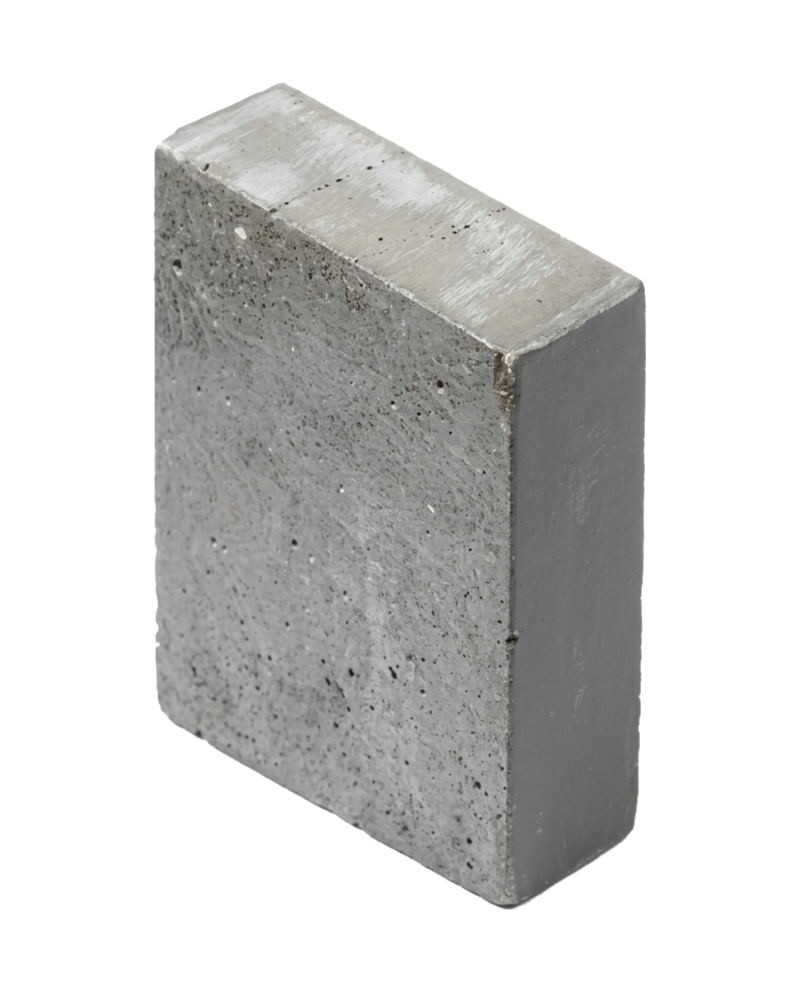
Product 01
Stronger Concrete. Higher Returns
Our first product is a water-based graphene additive that integrates directly into standard concrete production: no new equipment and no new process. With 35 grams of our nanomaterial per 2.3 tonnes of concrete, we can deliver a measurable step change in performance.
Increase strength by up to 35%

Reduce cement by 15-25%

Lower CO2 emissions by 12-25%


Built to Scale
Construction is underway on our first industrial-scale production facility at Grapht Works, London. Scheduled for completion by the end of 2027, the facility will have the capacity to produce more than 1,500 tonnes of nanomaterials per year, enough for over 1 million tonnes of concrete.
The properties that make our nanomaterials valuable in concrete extend across energy, biomedical applications and beyond. We’re already working with 70+ industrial partners to bring advanced nanomaterials into new products and applications.
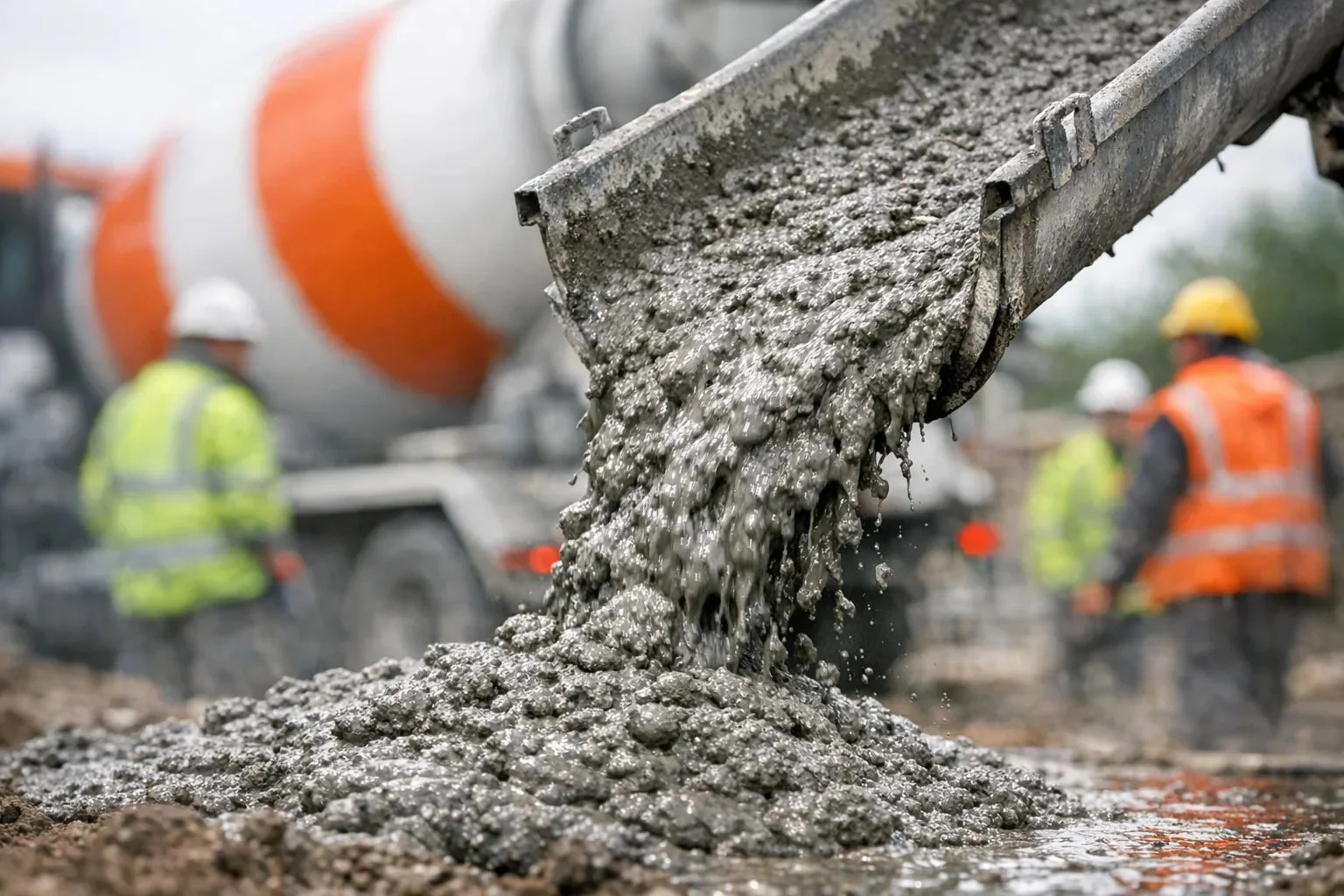
Construction
Improved structural performance, lower embodied carbon and higher profitability
Higher-capacity electrode technologies for advanced energy storage and data centres

Energy
Storage
3-fold improvement in drug delivery efficiency using pristine, medical-grade graphene

Biomedical
Graphene barrier coatings that extend asset life and reduce lifetime costs

Coatings
Improved heat transfer and efficiency without redesigning existing systems
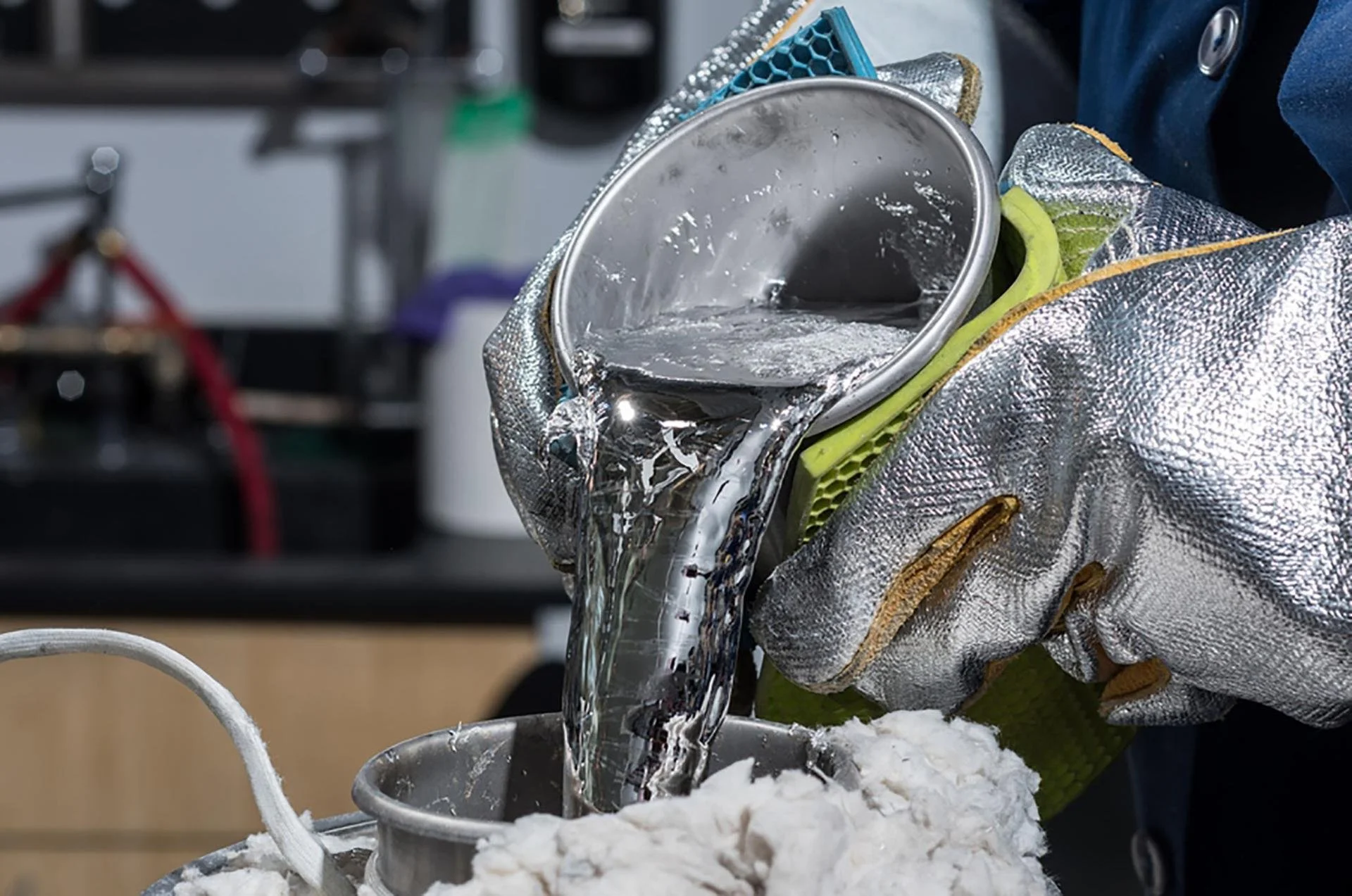
Thermal
Fluids

Nano in Scale.
Big in Impact.